
Trump Gives Iran ‘5 to 7 Days’ to Strike Nuclear Deal: Tehran Insists It Doesn’t Want Bomb
NEWS
5/25/20268 min read
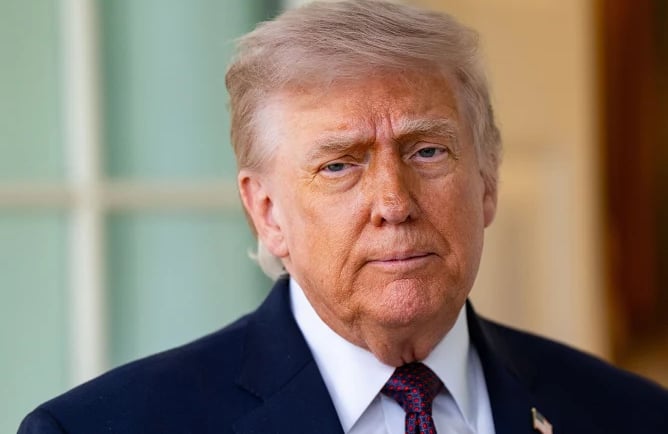
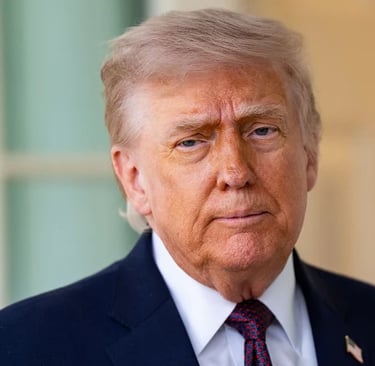
Introduction: The Current State of U.S.-Iran Relations
The relationship between the United States and Iran has been complex and fraught with tension since the 1979 Iranian Revolution. This historical backdrop is crucial for understanding the present situation, particularly regarding nuclear negotiations. Over the years, the actions of both nations have shaped the geopolitical landscape of the Middle East. In particular, the U.S.'s withdrawal from the Joint Comprehensive Plan of Action (JCPOA) in 2018 marked a significant turning point, which has since led to escalating tensions.
At the core of U.S.-Iran relations lies the issue of Iran's nuclear program. While Tehran maintains that its intentions are peaceful and aimed at energy production, the U.S. and its allies harbor concerns that this program could lead to the development of nuclear weapons. The significance of the nuclear deal, therefore, extends beyond mere diplomatic engagement; it also reflects the broader struggle for influence in a volatile region. President Trump's insistence on a renewed commitment from Tehran within the defined timeframe is indicative of the pressure the U.S. seeks to apply in order to achieve its foreign policy objectives.
The current deadline set by President Trump for Iran to negotiate a revised nuclear agreement serves as a critical juncture in diplomatic discussions. By pressuring Iran to engage within this limited timeframe, the U.S. aims to reinvigorate its stance on non-proliferation while attempting to stabilize long-standing tensions. However, Iran's leadership has reiterated its stance that it does not seek nuclear weapons, thereby complicating the U.S.'s position. This impasse underscores the intricate dynamics that define U.S.-Iran relations today, as both countries grapple with their respective domestic and international obligations.
Trump's Ultimatum: Details and Implications
In recent developments regarding U.S.-Iran relations, President Trump issued an ultimatum, providing Iran a mere ‘5 to 7 days’ to come to the negotiating table and address nuclear deal concerns. This brief window is reflective of Trump's increasingly assertive foreign policy approach, emphasizing urgency in negotiating terms that ensure Iran's nuclear ambitions do not pose a threat to U.S. national security or that of its allies.
The rationale behind the specified timeline appears rooted in a broader strategy of applying pressure and swiftly altering the landscape of nuclear negotiations. Proponents of the ultimatum argue that it is necessary to convey the seriousness of U.S. expectations regarding Iran’s compliance with non-proliferation efforts. However, critics caution that such compressed timelines may inadvertently escalate regional tensions and catalyze Iran's nuclear program rather than curb it.
Moreover, the ultimatum holds significant implications not only for U.S. foreign policy but also for Iran's nuclear aspirations. Should Iran reject this streamlined opportunity, it raises doubts about the potential for diplomatic resolutions, possibly leading the U.S. to reconsider its existing diplomatic frameworks. This would further entrench the divide between Iran and the U.S., and could provoke a series of retaliatory actions that escalate militarily or diplomatically.
Internationally, reactions have varied. Allies of the U.S. are monitoring the situation closely, as Trump’s ultimatum may demand their participation in negotiations or re-evaluations of their positions on sanctions. Conversely, adversaries may view this as a sign of U.S. desperation or boldness, potentially influencing their own strategies regarding involvement in the Iranian nuclear discourse.
Iran's Position: No Interest in Nuclear Weapons
Iran has consistently maintained that it has no intention of developing nuclear weapons, framing its nuclear program as purely peaceful in nature. This position has been echoed by various Iranian leaders and officials, emphasizing that their objective is to advance nuclear technology for energy purposes and medical applications. The Iranian government argues that there is no need for a nuclear bomb, highlighting that their focus remains on harnessing nuclear energy, which they claim is essential for meeting the country’s growing energy demands.
In official statements, Iranian leaders assert that nuclear weapons contradict Islamic principles and that they would never pursue a path leading to such destruction. Supreme Leader Ayatollah Ali Khamenei has publicly declared a fatwa against the production and use of nuclear weapons, which he describes as a moral and religious mandate. Such declarations aim to bolster Iran’s narrative as a responsible member of the international community committed to peace.
This rhetoric is not merely for domestic consumption; it serves as a crucial component of Iran's diplomatic strategy, especially in negotiations related to its nuclear program. By presenting itself as a state with no interest in nuclear arms, Iran seeks to challenge accusations from Western nations, particularly the United States, which has long claimed that Iran’s nuclear ambitions pose a security threat to global peace.
Additionally, Iranian officials strive to communicate that their nuclear endeavors are safeguarded by international treaties, such as the Treaty on the Non-Proliferation of Nuclear Weapons (NPT). They argue that the selective enforcement of these frameworks by other nations undermines global nuclear non-proliferation efforts. Through a comprehensive approach, Iran continues to assert its sovereignty and the right to develop its nuclear technology while denying any intentions of weaponization.
International Perspectives: Allies and Opponents of the Nuclear Deal
The international community exhibits a diverse array of perspectives on the ongoing tensions surrounding Iran's nuclear deal, particularly in light of the recent ultimatum issued by the United States. European allies largely advocate for diplomacy and the continuation of the Joint Comprehensive Plan of Action (JCPOA), viewing it as a crucial framework for nuclear non-proliferation in an already volatile region. They express concern that an increased U.S. pressure on Iran may lead to further escalation, undermining the very stability they strive to maintain in the Middle East.
Conversely, Russia and China have adopted a more supportive stance toward Iran, emphasizing the importance of respecting sovereign rights to nuclear technology for peaceful purposes. These nations argue that the U.S. actions, including economic sanctions and military posturing, could jeopardize not only Iran's commitment to non-proliferation but also set a troubling precedent for international negotiations. Such dynamics fuel suspicions of a possible arms race in the context of global diplomacy and non-proliferation efforts.
Moreover, regional players in the Middle East display varying degrees of apprehension regarding Iran's nuclear ambitions. Countries like Saudi Arabia and Israel perceive a potential threat from a nuclear-capable Iran, increasing their calls for either confronting Iran directly or pursuing their own nuclear capabilities, should the JCPOA falter. This underscores the broader implications for regional security, as a destabilized Iran could lead to heightened tensions and renewed conflict.
Consequently, the ongoing negotiations surrounding Iran's nuclear capabilities signify not just a bilateral issue between the U.S. and Iran, but a multifaceted international dilemma that impacts global non-proliferation efforts. The responses from various nations encapsulate the complexities inherent to international relations, where alliances and adversarial positions intersect with pressing security concerns.
The failure of the United States and Iran to reach a nuclear agreement within the stipulated timeline could yield significant ramifications for both regional and global stability. This negotiation, following years of contentious dialogue, is critical not only for the bilateral relationship between the nations but also for the intricate web of alliances and hostilities in the region.
In the event that discussions break down, the likelihood of heightened regional instability increases markedly. Iran may feel compelled to enhance its military capabilities, which could involve further advancements in its nuclear program. Such actions would raise alarms not only in neighboring countries like Saudi Arabia and Israel but also among international powers, leading to increased military readiness and potential arms races within the Middle East. With tensions already running high, the prospect of military confrontations cannot be dismissed.
Moreover, a failure to successfully negotiate a nuclear deal might prompt the United States and its allies to impose more stringent sanctions on Iran. These sanctions, while aimed at curtailing Iran's nuclear ambitions, could inadvertently worsen the humanitarian situation in the country, resulting in social unrest. The Iranian regime might perceive increased sanctions as an existential threat, possibly pushing it to adopt more aggressive postures both domestically and abroad to consolidate power and rally public support.
The broader implications for global security are profound. The unraveling of negotiations could embolden other nations with contentious nuclear aspirations, undermining decades of non-proliferation efforts. Furthermore, the destabilization of the Middle East could lead to broader conflicts involving various actors, thereby threatening not only regional but also international peace and security.
Hence, the urgency behind achieving a viable agreement within the provided timeframe cannot be overstated. The forthcoming days could be pivotal, shaping the geopolitical landscape in ways that may be challenging to reverse.
Examining the Domestic Reactions: U.S. Public and Political Response
The recent ultimatum issued by President Trump regarding Iran raises significant concerns and reactions within the United States. As the administration demands that Tehran strike a nuclear deal within a tight timeframe of five to seven days, various political factions and the public have expressed differing perspectives on this situation.
Among Republican supporters, there is a prevailing belief that strong measures like this ultimatum are essential to deter Iran’s nuclear ambitions. Proponents argue that the pressure will compel Iran to engage in meaningful negotiations, thereby upholding the strong stance needed in foreign policy. Analysts within this camp assert that projecting strength can lead to more favorable outcomes in international relations.
Conversely, Democrats and some independent voices have criticized the ultimatum as potentially escalating tensions and limiting diplomatic options. Critics argue that unilateral demands may drive Iran further away from cooperation and destabilize an already fragile situation in the Middle East. These political groups emphasize the importance of a carefully orchestrated diplomatic approach and caution against seeking short-term gains at the expense of long-term strategic stability.
The general public’s view on this matter is also reflective of the polarized political landscape. Recent polls show a divide, with some segments supporting a strong stance on Iran's nuclear program, while others are wary of the implications of aggressive rhetoric. The broader context of U.S. foreign policy continues to be a focal point of discussion as the country approaches upcoming elections, with candidates from both parties leveraging the situation for political advantage.
As the deadline approaches, it is apparent that the responses to Trump’s ultimatum will shape both national discourse and international relations. The implications of these reactions may influence policy directions and contribute to the evolving narrative surrounding U.S.-Iran relations.
Conclusion: The Future of U.S.-Iran Relations and Global Stability
As the dynamics of U.S.-Iran relations continue to evolve, the prospect of a diplomatic resolution to nuclear tensions remains critical not only for both nations but for global stability as well. The recent ultimatum issued by the Trump administration, providing Iran with a limited timeframe to reach a nuclear agreement, underscores the urgency that characterizes these discussions. While Iran has consistently maintained its position against developing nuclear weapons, skepticism persists regarding the veracity of these claims, complicating international negotiations.
The effectiveness of dialogue between the United States and Iran hinges on mutual understanding and respect for each other's sovereignty. Past encounters have demonstrated that both parties possess distinct expectations concerning diplomatic engagement. Therefore, the path forward calls for nuanced strategies that acknowledge the complexities inherent in this relationship while striving to enhance prospects for peace.
Nuclear non-proliferation is not merely an issue confined to the United States and Iran; it resonates across various geopolitical landscapes, impacting allies, rival nations, and global organizations. The threat of nuclear proliferation poses significant risks, and comprehensive treaties must be pursued to ensure that nuclear capabilities are managed responsibly. In this context, the United States must navigate its foreign policy with critical consideration for the implications that unfettered nuclear advancement might have on international relations.
In conclusion, the future of U.S.-Iran relations is enmeshed in a web of diplomatic challenges and opportunities. Achieving a sustainable agreement on nuclear issues is essential not just for regional security in the Middle East, but for global stability at large. Therefore, it is imperative that all involved parties remain committed to dialogue and cooperation, fostering an environment conducive to peace and mutual respect.