
Four Palestinians Killed in Gaza Shelling as Trump Inaugurates ‘Board of Peace’ in Davos
Four Palestinians Killed in Gaza Shelling as Trump Inaugurates ‘Board of Peace’ in Davos
NEWSOTHER NEWS
1/22/20263 min read
Four Palestinians Killed in Gaza Shelling as Trump Inaugurates ‘Board of Peace’ in Davos
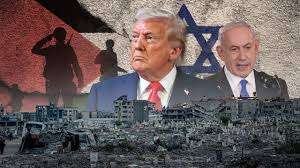
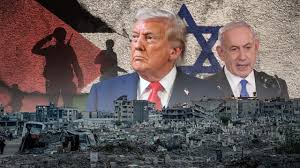
KHAN YOUNIS/DAVOS — At least four Palestinians were killed and several others wounded by Israeli tank fire east of Gaza City on Thursday, according to hospital officials, even as U.S. President Donald Trump officially launched his "Board of Peace" at the World Economic Forum in Switzerland.
The deaths at Shifa Hospital provided a grim backdrop to the diplomatic fanfare in Davos, where President Trump signed the founding charter for a new international body intended to oversee the reconstruction and long-term governance of the Gaza Strip.
Violence Amid a Fragile Truce
The incident occurred in an area east of the city where witnesses reported sudden shelling. Mohamed Abu Selmiya, director of Shifa Hospital, confirmed that the bodies of four individuals were brought to the facility following the strike. The Israeli military did not immediately comment on the specific incident but has previously stated that its forces respond to violations of the ceasefire that has been in place since October.
The latest fatalities add to a growing toll. Since the U.S.-brokered truce began, local health officials report that over 470 Palestinians have been killed in recurring strikes and skirmishes. This ongoing violence has fueled deep skepticism among Gazans regarding the effectiveness of international "peace" initiatives.
The Davos Launch: A "Consequential Body"
In Davos, President Trump presented the Board of Peace as a revolutionary alternative to traditional international diplomacy. Flanked by leaders from approximately 20 nations—primarily from the Middle East and South America—Trump signed a charter that establishes him as the board's inaugural chairman.
"We are creating something that has never existed before," Trump told the assembly. "The Board of Peace will have the agility and the resources to do what the United Nations has failed to do for decades. We are starting with Gaza, but this is a model for the world."
The board’s structure is notably unique:
Chairman for Life: The charter names Donald Trump as chairman with expansive veto powers and the authority to invite or remove members.
The "Pay-to-Play" Model: While membership is open for three-year terms, nations can secure a "permanent seat" by contributing $1 billion to a Gaza reconstruction fund.
Gaza Executive Board: A subordinate group, including figures like Jared Kushner and Steve Witkoff, is tasked with coordinating the "demilitarization and technocratic governance" of the territory.
International Friction
The launch was marked by the absence of major Western European allies. Leaders from the UK, France, and Germany have reportedly expressed reservations about the board’s mandate, which the charter describes broadly as "securing enduring peace in areas affected by conflict," leading to concerns that the organization is intended to rival or supplant the United Nations.
Prime Minister Benjamin Netanyahu, who recently announced Israel’s participation in the board, praised the initiative as a "bold new chapter," even as his government continues to voice objections to the inclusion of certain members, like Turkey and Qatar, on the operational Gaza Executive Board.
A Stark Contrast
For the residents of Gaza, the high-level talks in Switzerland feel worlds away. In displacement camps in Khan Younis and Rafah, families are currently struggling with freezing winter temperatures and a lack of basic fuel.
"They talk of a 'Board of Peace' while we dig through garbage for plastic to burn so our children don't freeze," said Abu Tareq, a displaced resident of Gaza City. "What is this board doing for the four men killed this morning? If there is peace, why is there still smoke over the city?"
As the Davos summit concludes, the "Board of Peace" faces the immediate challenge of proving it can deliver more than just symbolic signatures while the reality on the ground remains defined by displacement, hunger, and persistent loss of life.