
Why did Israel join Trump’s ‘Board of Peace’ after raising objections?
NEWSOTHER NEWS
1/22/20262 min read
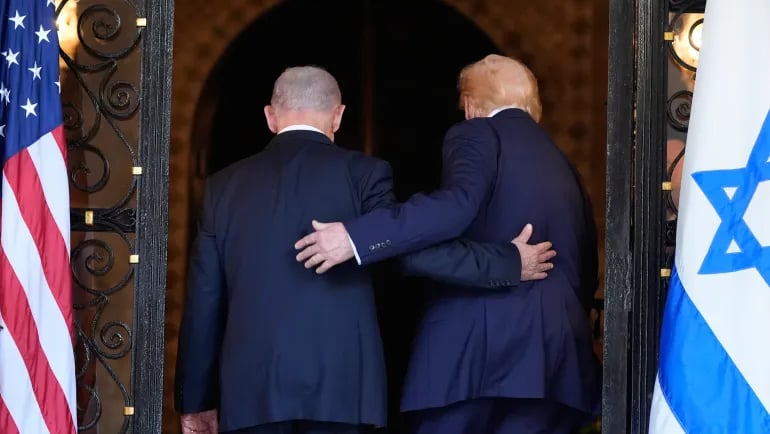
In January 2026, Israeli Prime Minister Benjamin Netanyahu performed a notable strategic pivot by agreeing to join President Donald Trump’s "Board of Peace" (BoP). This move followed a period of sharp, public criticism from the Prime Minister’s Office regarding the board’s composition and its role in overseeing postwar Gaza.
1. The Initial Objections
The Israeli government’s primary grievances centered on the "Gaza Executive Committee," a subsidiary body of the Board of Peace. The key points of friction included:
Lack of Coordination: Netanyahu’s office stated that the board was formed without coordination with Israel and ran "contrary to its policy."
Inclusion of Rivals: Israel objected strongly to the inclusion of Turkey and Qatar—nations Israel views as Hamas supporters—on the executive board.
Sovereignty Concerns: Far-right members of Netanyahu’s coalition, such as Bezalel Smotrich, argued that an international board undermines Israel's demand for total security control over Gaza.
2. Why Netanyahu Pivoted
Analysts suggest that the decision to join was driven more by political necessity and strategic leverage than by a change of heart:
"Staying Out Was Not an Option": Israeli officials noted that with Trump leading the initiative, being outside the room meant losing all influence over critical decisions regarding Gaza’s reconstruction and Hamas’s disarmament.
Countering the United Nations: One of the main attractions of the BoP for Netanyahu is its framing as a potential rival to the UN. By joining, Israel can support an alternative international body that is perceived as more aligned with its interests.
Direct Access to Trump: Netanyahu’s primary strategy has been to bypass White House staff—who are reportedly frustrated with his "slow-walking"—and appeal directly to President Trump to maintain his "only key ally."
3. Analysis: Strategic Stalling or Genuine Participation?
Critics and analysts argue that Netanyahu’s flip-flop is a tactical "disruption" maneuver. The argument for "stalling" follows several lines:
Phase II Delays: Israel has attempted to delay "Phase II" of the peace plan (disarmament and reconstruction), insisting that no rebuilding occur until Hamas is fully disarmed—a process that could take years.
Coalition Survival: By joining the board while simultaneously expressing "reservations," Netanyahu can tell the international community he is cooperating while telling his far-right allies he is "fighting from within" to prevent Palestinian statehood or a security vacuum.
Maintaining the Status Quo: Analysts suggest that by engaging in lengthy debates over the board’s charter and membership, Netanyahu can effectively stall the implementation of any permanent political settlement for Gaza, thereby maintaining military control.
4. Current Standing
As of late January 2026, Netanyahu is a formal member of the Board, alongside leaders from Saudi Arabia, the UAE, and Turkey. However, tensions remain high regarding whether reconstruction should begin immediately (the Arab and Turkish position) or only after verified disarmament (the Israeli position).