
Winter Storms: The Ultimate Guide to Preparation and Safety
NEWSOTHER NEWS
1/25/20263 min read
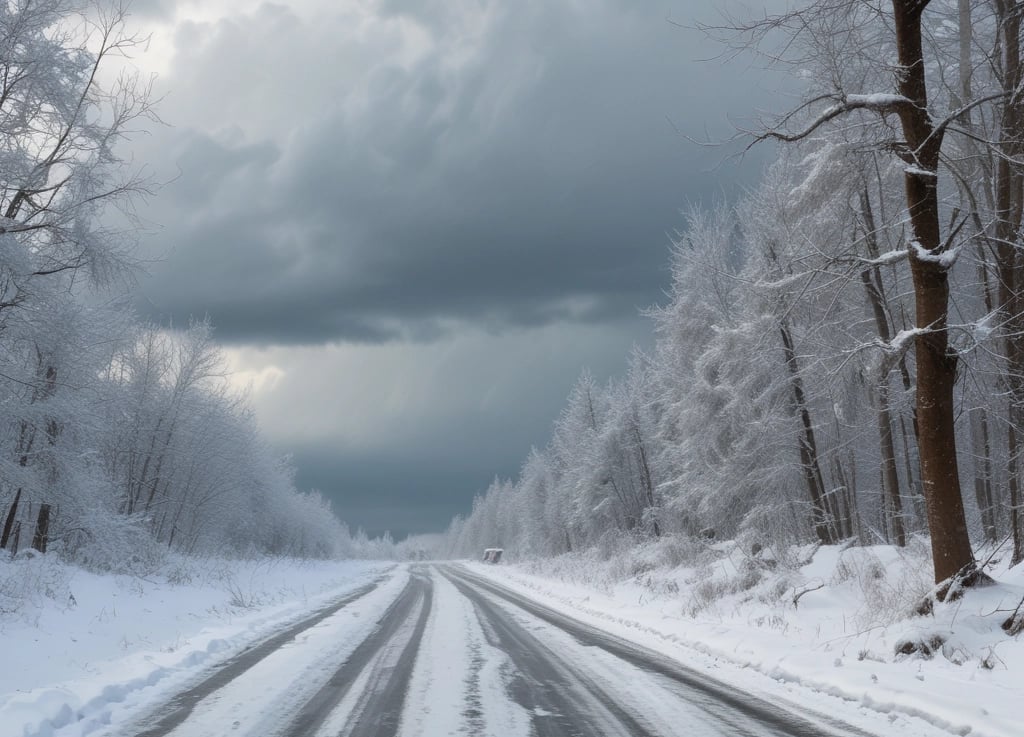
Winter storms are often called "deceptive killers" because most deaths associated with them are not caused by the storm itself, but by indirect factors like traffic accidents, carbon monoxide poisoning, or overexertion while shoveling snow. Being prepared is the difference between a minor inconvenience and a life-threatening emergency.
1. Understanding the Alerts
Knowing the terminology used by the National Weather Service (NWS) is your first line of defense:
Winter Storm Outlook: Severe winter weather is possible in the next 2 to 5 days.
Winter Storm Watch: Conditions are favorable for a storm. Usually issued 12 to 48 hours in advance. Start preparing now.
Winter Storm Warning: Severe winter conditions are expected within 24 hours. Take action immediately.
Blizzard Warning: Sustained winds or frequent gusts of 35 mph or greater, plus considerable falling/blowing snow reducing visibility to less than 1/4 mile for at least 3 hours.
2. Essential Emergency Kits
You should have two kits ready: one for your home and one for your vehicle.
The Home Kit (3-Day Minimum)
Water: 1 gallon per person, per day.
Food: Non-perishable "no-cook" items (granola bars, dried fruit, canned goods). Include a manual can opener.
Power & Light: Flashlights, extra batteries, and a battery-powered or hand-crank NOAA Weather Radio.
Health: 7-day supply of medications and a first-aid kit.
Warmth: Extra blankets, sleeping bags, and warm coats/hats for every family member.
The Car Kit
Traction: A bag of sand or non-clumping kitty litter.
Tools: Ice scraper, snow brush, and a small shovel.
Safety: Jumper cables, flares or reflective triangles, and a brightly colored cloth to tie to your antenna if stranded.
Survival: Extra warm clothes, a blanket, and a portable phone charger.
3. Winterizing Your Home
Before the first flake falls, ensure your home can withstand the cold:
Insulation: Insulate walls and attics. Weather-strip doors and caulk windows to keep heat in.
Pipe Protection: Insulate pipes in unheated areas. During a storm, let faucets drip slightly to prevent freezing. Know where your main water shut-off valve is.
Heating Systems: Have your chimney and furnace inspected annually.
Tree Maintenance: Trim branches that could fall on your house or power lines under the weight of ice and snow.
4. Staying Safe During the Storm
Indoor Safety & Power Outages
Generator Safety: NEVER run a generator indoors, in a garage, or near a window. Carbon monoxide (CO) is odorless and deadly.
Heating Hazards: Do not use a gas oven or stove to heat your home. Keep space heaters at least three feet away from anything flammable.
Conserve Heat: Close off unused rooms and stuff towels under doors to block drafts.
Food Safety: Keep the fridge and freezer closed. A full freezer can keep food frozen for about 48 hours.
Outdoor Safety
Dress in Layers: Wear several layers of loose-fitting, lightweight clothing. Outer garments should be water-repellent.
Avoid Overexertion: Shoveling snow is incredibly strenuous. Take frequent breaks. Heart attacks are a leading cause of death during winter storm cleanup.
Stay Dry: Change wet clothing immediately to prevent a loss of body heat.
5. If You Get Stranded in a Car
If your vehicle becomes stuck or snowbound:
Stay with the vehicle: Do not walk for help unless a building is clearly visible and very close.
Signal for help: Hang a bright cloth on the radio antenna and keep your dome light on at night (only when the engine is running).
Run the engine sparingly: Run the engine for about 10 minutes every hour for heat. Crucial: Ensure the exhaust pipe is clear of snow to prevent CO poisoning.
Stay Moving: Exercise your arms and legs periodically to maintain circulation.
6. After the Storm
Check on Neighbors: Specifically the elderly or those with disabilities.
Assess Damage: Check your roof for heavy snow loads and look for downed power lines.
Stay Informed: Continue to monitor weather reports, as the coldest temperatures often arrive immediately after a storm passes.